













Brazil Orders Licensed Betting and Online Casino Sites Offline From 6 October
Brazil's new provisional measure shuts licensed betting and online casino sites on 6 October. Key dates for withdrawals, refunds and what comes next.
What Brazil's Betting Ban Does
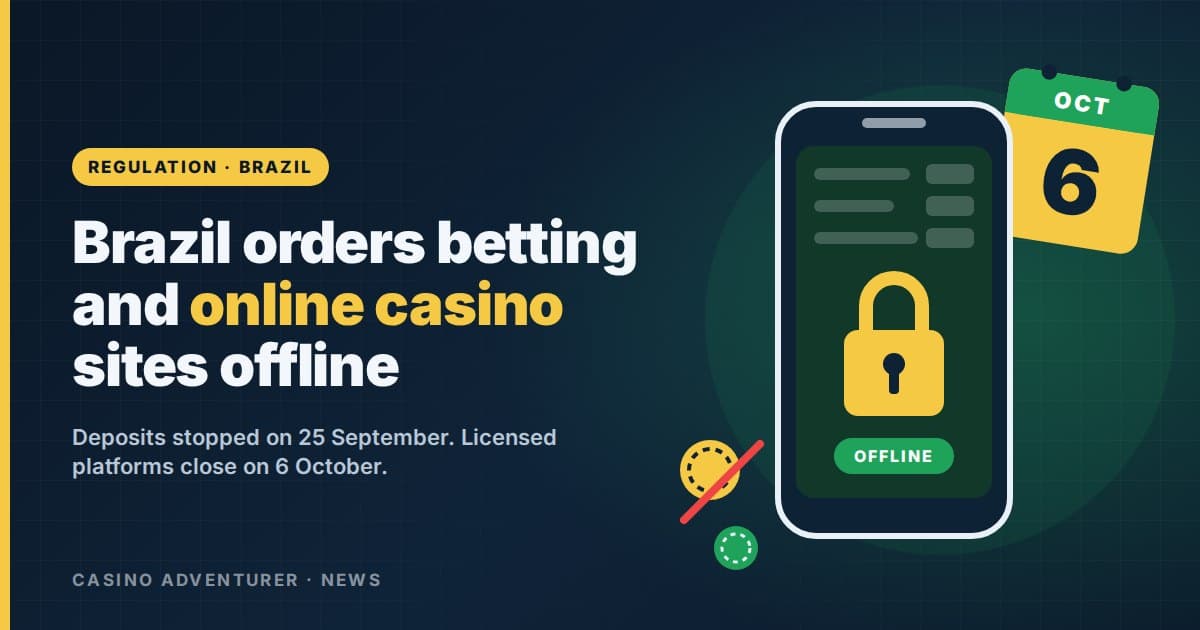
Brazil will shut down its licensed online betting and casino market on 6 October 2026, after President Luiz Inácio Lula da Silva signed a provisional measure on 25 September that bans fixed-odds betting across the country.
The measure, Medida Provisória 1.394, prohibits operating, offering, brokering and advertising fixed-odds bets in Brazil, whether online or in physical premises. It also applies to operators based abroad that target Brazilian customers.
The ban goes further than sports betting. It covers wagers on real sporting events and on virtual events in online games, which brings online casino products within its scope, while other lottery types already authorised in Brazil are not affected.
Finance Minister Dario Durigan announced the decision at a ceremony in São Paulo, less than two years after the regulated market opened in January 2025.
Key Dates for Players With Account Balances
New deposits were banned from the moment the measure was published, so players can no longer fund accounts at licensed Brazilian sites. Withdrawals remain possible until the platforms close.
Date | What happens |
|---|---|
25 September | Deposits banned as the measure is published |
Until 23:59 on 5 October | Players can still withdraw; betting ads must be removed |
6 October | Licensed sites and apps go offline |
7 to 8 October | Operators group remaining balances by CPF taxpayer number and send the data to their banks |
9 to 14 October | Banks return remaining balances to players automatically |
From 14 October | Balances that cannot be returned go to state bank Caixa Econômica Federal, which pays players |
Refunds after the shutdown do not depend on a player request. Under the measure, the banks and payment institutions that hold operators' accounts must refund every remaining balance in full.
Withdrawing before the 5 October cut-off remains the most direct option for players who want their money back before the sites close.
Why the Government Chose a Full Ban
The government argues that the rules introduced under the Secretariat of Prizes and Bets did not protect households well enough. Official figures released with the measure point to a rise of about 140% in care for pathological gambling between 2018 and 2025.
The same release puts the social cost of gambling harm at an estimated R$38.8 billion a year, and the Ministry of Justice says more than 1.3 million Brazilians have asked to be self-excluded.
Lula made the issue a central theme of his re-election campaign ahead of the first round of voting on 4 October. He also took the argument to the world stage, using his speech at the UN General Assembly on 22 September to reject betting as a business built on addiction.
The decision was not unanimous inside government. Durigan had previously backed stricter regulation and warned in June that a general ban could strengthen the illegal market, while part of the economic team raised concerns about the fiscal impact.
The ban was announced alongside Desenrola Brasil 3.0, a household debt programme under which the government plans to buy up to R$150 billion in defaulted personal debt at estimated discounts of at least 90%.
What It Means for Operators, Tax Revenue and Football
Brazil had issued 85 authorisations at R$30 million each, worth R$2.55 billion in total, covering 188 licensed websites. The measure states that operators are not entitled to a refund of those fees or to compensation for lost profits or investments.
All authorisations end within 30 days of publication. The measure sets daily fines of R$200,000 for non-compliance, and telecoms regulator Anatel will block domains under the supervision of an inter-agency committee.
The sector had become a major source of tax. Federal collections from betting reached about R$9.95 billion in 2025 and roughly R$9.9 billion in the first eight months of 2026.
Football is heavily exposed. Fourteen Série A clubs carried a betting brand as their main sponsor, with deals worth more than R$1 billion, and clubs including Corinthians, Flamengo and Palmeiras had signed a manifesto urging the government not to change the rules abruptly.
A day before the measure was signed, nine industry associations, including ANJL and IBJR, published a joint manifesto against a ban, warning that it would push players to unlicensed sites.
What Happens Next in Congress and the Courts
A provisional measure takes effect immediately but lapses unless Congress approves it within 120 days, made up of an initial 60 days and one 60-day extension. Lawmakers can approve, reject or amend the text.
The government has also sent Congress a separate bill creating criminal offences. It proposes four to six years in prison for operating betting, and two to four years plus a fine for promoting it, misusing personal data, facilitating payments or supplying internet applications.
Those penalties are proposals and are not yet law.
Legal challenges are expected. Licensed operators could contest the non-refundable licence fees and seek compensation, and industry groups have said they will go to court.
Brazil has tried this route before. In 2004 Lula's government banned bingo halls through Provisional Measure 168, but the Senate rejected it that May, and bingo had not just been newly regulated in the way online betting was.
Frequently Asked Questions
Licensed sites and apps must go offline on 6 October 2026. Deposits stopped on 25 September, and players can withdraw until 23:59 on 5 October.
Operators must send remaining balances, grouped by CPF, to their partner banks, which return the money automatically between 9 and 14 October. From 14 October, any balance that cannot be returned goes to Caixa Econômica Federal, which pays it out to the player.
Yes. The measure covers bets on virtual events in online games as well as real sporting events, so online casino products fall within the ban. Other lotteries already authorised in Brazil are not affected.
The provisional measure applies now, but Congress must approve it within 120 days or it lapses. A separate bill setting criminal penalties still has to pass, and court challenges from the industry are expected.
Paolo Pellegrini is Casino Adventurer's news editor, based in Rome, where he was born and raised. He covers the stories shaping the online gambling industry, from new regulations and tax changes to market openings and major deals, and always explains what they mean for players. He's naturally curious and starts every morning with the news and a strong espresso. Outside work, he's a lifelong AS Roma fan and loves cooking for friends on Sundays.
More iGaming News
Read more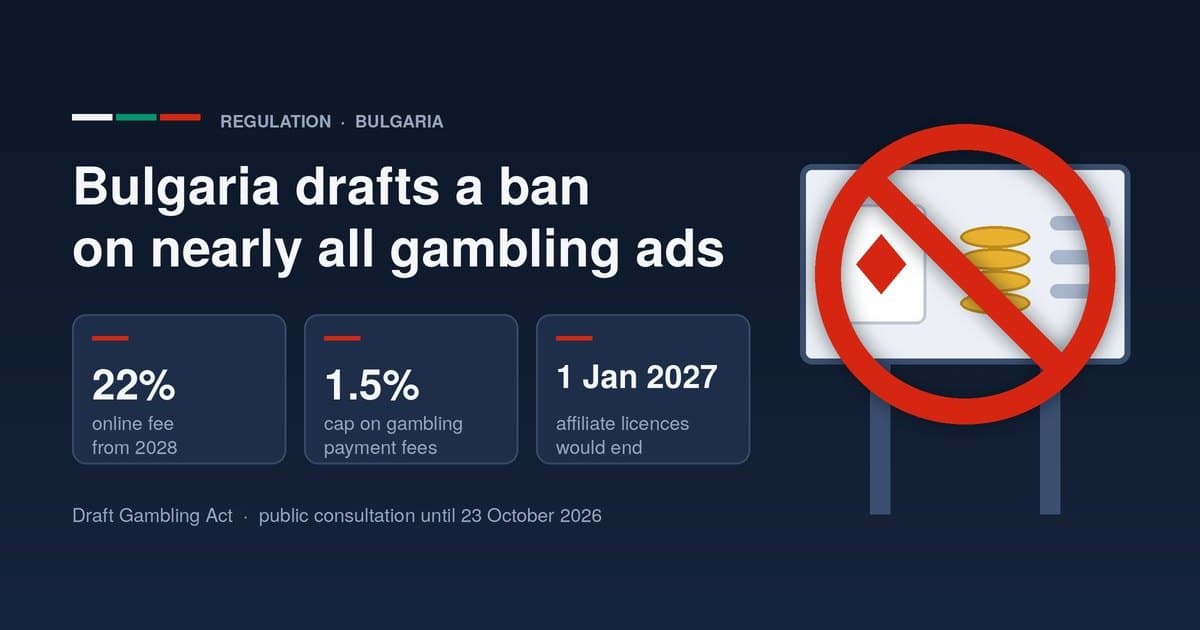
Bulgaria Drafts Near-Total Gambling Ad Ban, Higher Online Fees and End of Affiliate Licences
Bulgaria's draft Gambling Act bans nearly all gambling ads, ends affiliate licences in 2027 and lifts online fees to 22%. Comments close 23 October.
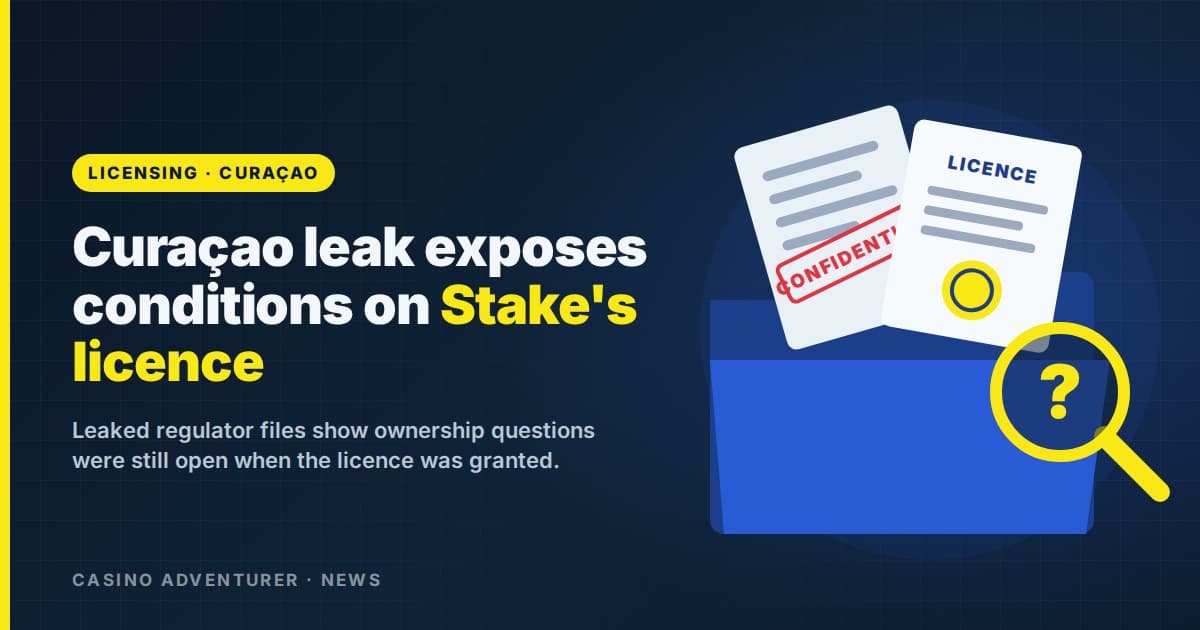
Leaked CGA Files Show Stake Operator Got Curaçao Licence Before Ownership Checks Finished
Leaked CGA files show Medium Rare N.V., which runs Stake, got a conditional Curaçao licence in June 2025 while its ownership was still under review.
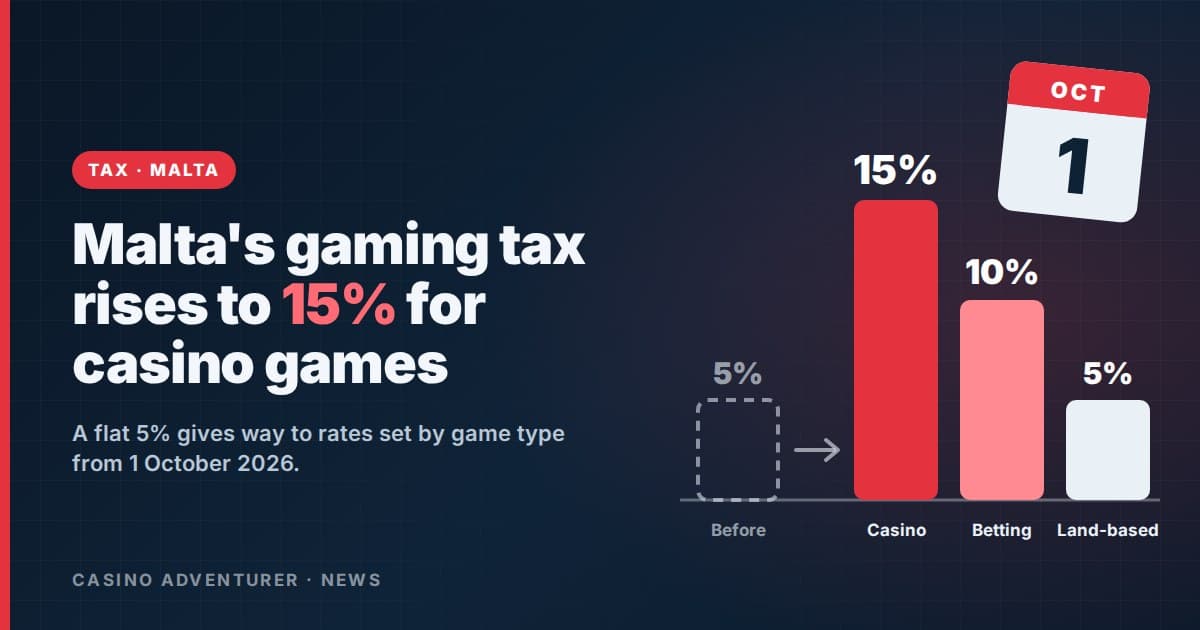
Malta Replaces Flat 5% Gaming Tax With 15% and 10% Rates From 1 October
Malta swaps its flat 5% gaming tax for 15% and 10% rates from 1 October 2026 and narrows its gambling VAT exemption. Who pays and what changes.